

Quick Drying I No Rub I No Greasy Residue I Effective SPF Protection
Featured products
-
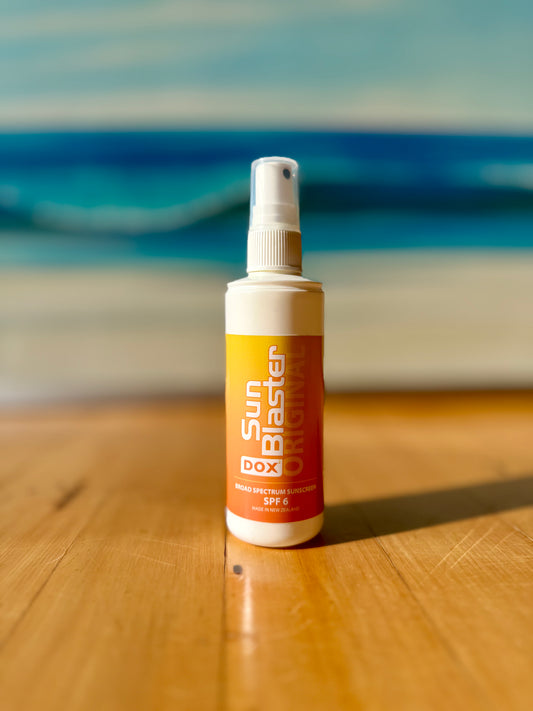
DOX SunBlaster - Finger Pump Spray Bottles
Regular price From $8.99Regular priceUnit price per -
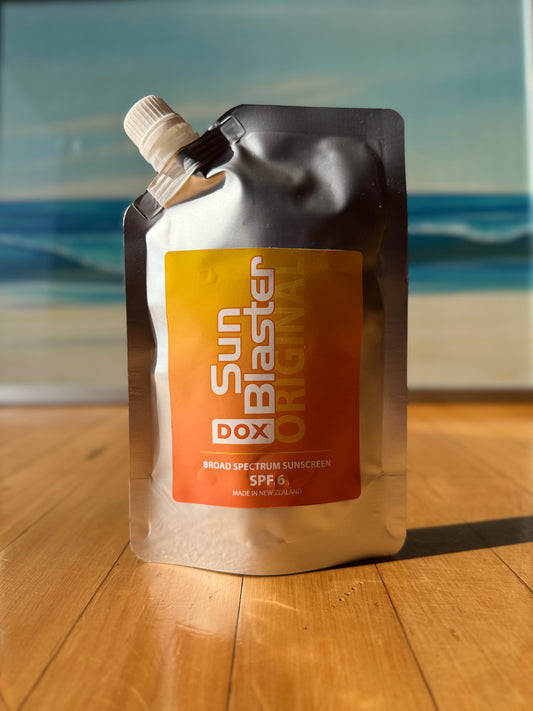
DOX SunBlaster - Refill Pouches
Regular price From $59.00Regular priceUnit price per -
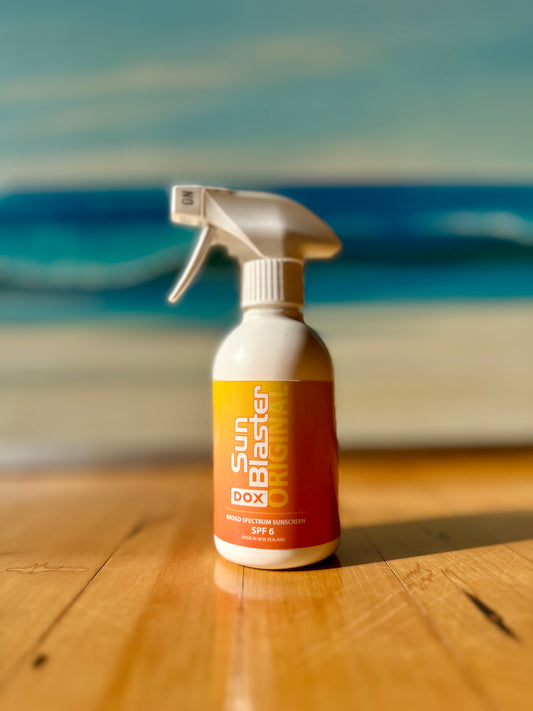
Dox SunBlaster - Trigger Spray Bottles
Regular price From $9.99Regular priceUnit price per

Boat, Car & Sporting Gear Friendly
Dox SunBlaster dries in seconds leaving, no mess and no sticky residue behind.


Let customers speak for us
Used Sun Blaster for years. Easy to use and no skin irritation.

Used this for years now so easy to use especially with kids. No sticky greasy hands. Fabulous

I appreciate the ability to purchase refills as we have a lot of bottles across all the family members- so an easier way to know we have plenty in reserve when heading away on holiday
Our family has been using Sunblaster for years - and now all the kids are young adults and still using it with their buddies too. Fantastic for outdoor activities including swimming - I don’t like using anything else!

Was out in direct sun on Aucklands hottest day last weekend between 10am & 1.30pm, applied Dox Sun Blaster and no burning at all - amazed as I have fair skin. Thanks Dox 😊
Great product. Used for years. Ideal for hairy bodies. Dries quick and not sticky
so easy and simple to use. great application bottles, and leaves no mess. a great product for all the family. you know its summer when the sun blaster arrives.
fast are efficient delivery also. cheers.
So easy to apply means I will use it when in a hurry or when I need to keep my hands clean
Dox is Avery effective sun screen. Easy to apply and no need to wipe off excess lotion as you would with a cream based lotion.
Been using this for years. Non-greasy and IT WORKS!!! Plus even on the rare occasion I have to reapply during a round it does not get my hands sticky so I can just apply then play the next shot straight away.
Been using for years & will keep buying highly recommend
Have used Dox for many years and it's great.
Love this product, my husband is a very fair skinned fisherman and needs this as his protection from our harsh sun